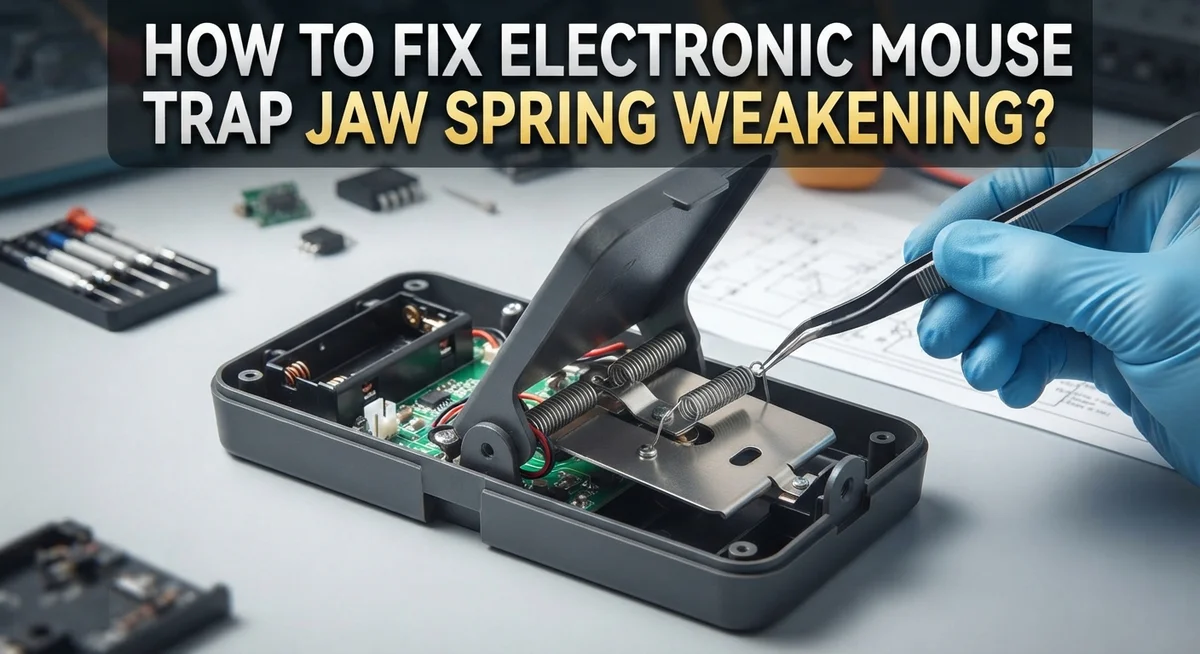
How To Fix Electronic Mouse Trap Jaw Spring Weakening?
Does your electronic mouse trap sit there quietly while mice sneak in and steal the bait? This is a common problem. It often points to a weakening jaw spring rather than a broken trap.
Many people think their trap is faulty. In reality, the issue is usually simple to fix. A weak spring or power problem can stop the trap from triggering the way it should.
The good news is that you don’t need to buy a new trap. Most of these problems come from old batteries or incorrect tension settings. Both are easy to check and fix at home.
In this guide, we will walk you through the real reasons your trap fails to spring. You will learn how to check your batteries properly. We will also show you how to adjust the tension bar for a strong, reliable snap.
By the end, you will know exactly how to get your trap working like new again. Let’s fix that jaw spring and get your trap back to catching mice.
In a Nutshell
Here is a quick summary if you are short on time. Check these points first before you take your trap apart.
-
Check the batteries first. Weak or old batteries are the number one reason traps fail to spring. Always swap in a fresh, fully charged set before you blame the spring.
-
Look at battery contact. Sometimes batteries sit in wrong or the contact plates are dirty. This stops power from reaching the trigger.
-
Adjust the tension bar. Your trap needs correct tension to snap shut. Factory settings are often too loose right out of the box.
-
Position the paddle correctly. The spring loaded paddle must sit exactly right when you set the trap. A tiny shift can stop it from firing.
-
Do not assume it is broken. Most jaw spring problems come from setup mistakes, not a faulty mechanism. Simple fixes solve this issue most of the time.
-
Test after each fix. Reset the trap and check it works before you add fresh bait again.
Understanding Why Electronic Mouse Trap Springs Weaken
Electronic mouse trap springs weaken for specific reasons. Understanding these causes helps you fix the problem fast. Battery power is the main culprit in most cases. Old or depleted batteries cannot generate enough electrical charge to trigger the spring mechanism.
When batteries lose power, the electromagnet inside the trap weakens. This electromagnet holds the spring in place. A weak electromagnet cannot release the spring properly. Mice can eat the bait without activating the trap.
Another common issue involves battery contact problems. Batteries may sit incorrectly inside the compartment. Dirt or corrosion on the contact plates blocks electrical flow. Even new batteries cannot work if the connection fails.
Spring tension adjustment also matters greatly. Electronic traps come from the factory with default settings. These settings often need adjustment for your specific trap model. Incorrect tension prevents the spring from snapping shut with enough force.
The spring loaded paddle position affects performance too. This paddle must sit in the exact right spot when you set the trap. If positioned wrong, the spring cannot release properly. The trap will fail even though the mechanism works fine.
Most jaw spring problems stem from setup mistakes, not actual mechanical failure. People often assume their trap is broken when simple fixes exist. The spring itself rarely fails in electronic traps.
Understanding these causes saves you time and money. You can troubleshoot each issue systematically. Start with the most likely problem first. Check batteries, inspect contacts, adjust tension, and position the paddle correctly. Test the trap after each change. This approach solves nearly all spring weakening complaints without needing replacement traps.
Signs Your Trap’s Jaw Spring Isn’t Working Properly
Your electronic mouse trap should snap shut quickly when a mouse touches the bait. If it doesn’t, you need to spot the warning signs early. Here’s what to watch for.
Mice steal bait without triggering the trap. This is the clearest sign something is wrong. You’ll find the bait gone but the trap still open. The mechanism simply didn’t activate when the mouse ate the food.
The jaw moves slowly or partially closes. A working trap snaps shut instantly with force. If the jaw creeps shut or stops halfway, your spring needs attention. This sluggish response means the trap won’t catch anything.
You hear a weak click instead of a loud snap. Electronic traps make a distinct sound when they fire. A faint click tells you the spring lacks power. A strong snap means everything works correctly.
The paddle feels loose or sits at an angle. Press the paddle gently with your finger. It should feel firm and sit flat. Any wobbling or tilting indicates improper positioning.
The trap doesn’t respond to the test button. Most electronic traps have a test feature. Press it and listen for a snap. No response means power or spring issues exist.
Battery contacts look corroded or dirty. Open the battery compartment and inspect the metal contacts. Green or white buildup prevents proper electrical connection. Clean contacts restore power flow to the spring mechanism.
The trap feels lighter than normal. This suggests batteries are missing or installed wrong. Pick up the trap and feel its weight. Compare it to a new trap if possible.
Check these signs regularly. Early detection prevents wasted bait and missed opportunities to catch mice.
Checking and Replacing Batteries the Right Way
Weak batteries are the most common reason electronic mouse traps fail to spring properly. Your trap relies on battery power to energize the electromagnet that holds the jaw open. When batteries drain, the electromagnet loses strength and cannot release the spring with enough force.
Start by opening your trap’s battery compartment. Remove the old batteries and inspect them closely. Look for any signs of corrosion or leakage around the battery contacts. If you see white, blue, or green powder, that indicates battery damage that can prevent proper electrical contact.
Insert fresh batteries into the compartment. Make sure each battery sits flat and fully inserted into its slot. Listen for a small click as the battery locks into place. Poor battery contact is a frequent culprit that people overlook.
Check the battery contact plates themselves. These metal strips must touch the battery terminals directly. If they bend inward or appear dirty, gently straighten them with a plastic tool. Wipe the contacts clean with a dry cloth to remove dust or debris.
After installing new batteries, test your trap immediately. Press the test button if your model has one. You should hear a loud snap and feel the jaw close with force. If the trap still moves slowly or weakly, the batteries may be defective.
Replace batteries at least once per season, even if your trap seems to work fine. Electronic components drain power gradually over time. Fresh batteries ensure your trap maintains peak performance and catches mice effectively. This simple maintenance step prevents most jaw spring problems before they start.
Step-by-Step: Adjusting the Tension Bar and Spring Mechanism
Start by locating the tension bar on your electronic mouse trap. This metal piece sits along the side or bottom of the trap mechanism. Your goal is to ensure it sits at the correct angle when you set the trap.
Gently pull the tension bar away from the trap body. You should feel slight resistance. This resistance comes from the spring underneath. If the bar moves too freely, your spring has weakened. If it feels stuck, you may have set it incorrectly.
Next, check how the spring loaded paddle positions itself. When you set the trap, this paddle must align perfectly with the jaw. A misaligned paddle prevents the spring from releasing its full force. Press the paddle gently with your finger. It should sit flat and centered, not tilted or crooked.
Now adjust the tension bar into the correct position. Push it back slowly until you hear or feel a click. This click signals the spring has engaged properly. The bar should sit snug against the trap body without forcing it.
Test the mechanism by pressing your trap’s test button. The jaw should snap shut with a loud, sharp sound. A weak click means your adjustment needs more work. Repeat the tension bar adjustment until you get a strong response.
After adjusting, set the trap completely. Place it in your target area without bait first. Let it sit for 30 seconds. Press it gently to confirm the spring still holds tension. Only then add fresh bait and activate it fully.
This process takes just five minutes. Most jaw spring problems disappear after proper tension adjustment.
Properly Setting the Spring-Loaded Paddle
When you set up an electronic mouse trap, the spring loaded paddle must sit in the exact right position. This positioning directly affects whether the jaw will snap shut with enough force to work properly.
Start by examining your trap’s paddle before you set it. The paddle should rest flat and level inside the trap chamber. If it tilts to one side or sits at an odd angle, your spring won’t release energy correctly when triggered.
Next, locate where the paddle connects to the spring mechanism underneath. Press down gently on the paddle with your finger. You should feel firm resistance, not a loose or wobbly feeling. Loose paddles indicate the spring attachment needs attention.
Check that the paddle sits centered between the two jaw halves. Misalignment prevents the jaws from closing evenly. The paddle should be parallel to the trap’s base, not angled upward or downward.
Once the paddle position looks correct, test it before baiting. Press your trap’s test button to verify the jaws snap shut quickly and completely. Listen for a sharp snap sound, not a weak click.
If the paddle still feels loose after checking, the spring connection point may need tightening. Most electronic traps have a small screw or clip holding the paddle to the spring. Ensure this fastener is snug but don’t overtighten, as this can damage the mechanism.
After confirming proper paddle positioning, your trap is ready to set. Correct paddle placement is essential for reliable spring function. This simple step prevents most jaw spring failures before they start. Many people skip this check and blame battery or mechanical problems when positioning was the real issue all along.
Tips for Maintaining Consistent Spring Performance Over Time
Your electronic mouse trap spring performs best when you follow a simple maintenance routine. Check your trap every two weeks to catch problems before they get worse. This regular inspection keeps your spring system working at full strength.
Start by testing your trap’s response without baiting it. Press the test button and listen for a sharp snap sound. If you hear a weak click, your spring needs attention. This quick test tells you if performance is dropping.
Clean the spring mechanism regularly with a dry cloth. Dust and debris collect around the jaw area and slow down spring movement. Remove any bait residue that might stick to the moving parts. A clean trap responds faster than a dirty one.
Check battery contacts every month. Corrosion builds up on metal contact plates over time. Wipe these plates gently with a dry cloth to remove white or green buildup. Clean contacts deliver better power to your spring system.
Store your trap in a dry location when not in use. Moisture damages the spring and electrical components. Keep your trap away from extreme heat or cold. These conditions weaken metal springs and drain batteries faster.
Replace batteries seasonally, not just when your trap stops working. Old batteries lose power gradually. You won’t notice the decline until your trap fails completely. Fresh batteries keep spring tension consistent.
Test your trap after every use. This habit catches weakening springs early. Set the trap fully and press the test button. If response feels slower than before, replace batteries immediately.
Consistent maintenance prevents spring failure before it starts. These simple steps add months to your trap’s working life and keep it ready to catch mice reliably.
Common Mistakes That Cause Repeated Spring Failures
Many people make the same mistakes repeatedly when dealing with electronic mouse trap spring problems. Understanding these errors helps you avoid costly trap failures and wasted time.
The first major mistake is ignoring battery condition. Most users assume the spring itself has failed when the real culprit is old or weak batteries. Electronic traps depend entirely on battery power to generate the force needed for proper jaw closure. Dead batteries simply cannot deliver enough energy to activate the spring mechanism. Always start by replacing batteries with a fresh set before assuming mechanical damage exists.
Improper battery insertion ranks as the second common error. Even new batteries fail to work if they sit incorrectly in the compartment. The metal contact points must touch the battery terminals completely. A slight misalignment prevents electrical flow and mimics spring weakness perfectly. Check that each battery sits flat and fully inserted into its slot.
The third mistake involves skipping initial setup adjustments. Factory default settings often require fine tuning for your specific trap model. Users who fail to adjust tension during setup experience repeated failures. The tension bar position directly affects how much force the spring can generate.
Another frequent error is assuming one adjustment solves everything permanently. Spring performance changes over time as components wear. Regular testing catches problems early before they become serious issues.
Finally, many people neglect environmental factors. Moisture and temperature changes affect spring tension and battery performance. Storing traps in humid areas accelerates corrosion on contact plates and weakens spring responsiveness.
These mistakes compound each other, creating frustration. By addressing each one systematically, you dramatically improve your trap’s reliability and catch rate.
Troubleshooting: When Adjustments Don’t Solve the Problem
When your electronic mouse trap’s jaw spring weakens and basic adjustments don’t help, you need to dig deeper. The problem often lies where you least expect it.
Battery failure ranks as the number one culprit when adjustments fail. Electronic traps depend entirely on power to function. Old batteries lose voltage gradually, and your trap may still activate weakly without you noticing. Replace your batteries with a fresh set immediately. Don’t assume your current batteries work just because they’re new to you. Test them in another device first if you’re uncertain.
Check your battery contacts next. Corrosion builds up on metal contact points over time. This prevents electricity from flowing properly to your spring mechanism. Remove the batteries and inspect the contacts inside your trap. Wipe them gently with a dry cloth. Look for green or white crusty buildup. If you see corrosion, clean it away carefully.
Verify that your batteries sit in the correct position. Many people insert batteries backwards or leave them slightly loose. Your trap won’t receive consistent power if connections are poor. Push batteries in firmly until you hear or feel them click into place.
If battery replacement and contact cleaning don’t solve your problem, the spring mechanism itself may be damaged. Internal components can break from repeated use or improper handling. Dropping your trap or forcing the jaws shut manually can damage the spring permanently. At this point, repair becomes difficult and replacement becomes more practical.
Document what you’ve tried before deciding your trap is beyond repair. This information helps you avoid the same issues with your next trap.
Final Thoughts
Fixing a weak jaw spring on your electronic mouse trap does not need to feel hard. Most problems come from simple things like old batteries or wrong setup steps.
Battery issues cause most spring failures. Before you think the mechanism is broken, always check your power source first. Fresh batteries solve the problem more often than people expect.
Take time to adjust the tension bar properly. This step gets skipped often, yet it makes a real difference in how the trap fires.
Remember that a loose paddle needs attention too. Check its position every time you set the trap. A secure paddle means a reliable trigger.
Regular care keeps your trap working well. Clean the spring area often and store the trap somewhere dry. These small habits prevent bigger issues later.
If you have already checked batteries, contacts, and tension but the trap still fails, the spring itself might be damaged. At this point, replacement may be your best option.
Do not blame the whole trap right away. Many issues trace back to setup mistakes or missed maintenance steps, not a faulty design.
Testing before baiting saves time. It helps you catch problems early, before mice get a free meal without triggering the trap.
Stay patient and methodical. Go through each step in order: batteries, contacts, tension, and paddle position. This process solves most spring weakening issues quickly.
With consistent care and quick checks, your electronic mouse trap can work reliably for a long time. A few minutes of maintenance now can save you frustration later, and keep your trap ready whenever you need it.
Frequently Asked Questions
Why does my electronic mouse trap spring feel weak when I set it?
A weak spring usually points to battery problems first. Replace your batteries with a fresh set before assuming the spring is broken. Old batteries don’t provide enough power for the spring mechanism to work properly.
Check that you inserted the batteries correctly. Poor battery contact prevents the trap from getting full power. Clean the contact plates inside the battery compartment with a dry cloth.
How do I know if the problem is the spring or the batteries?
Test your trap without bait first. Set it up and gently press the trigger paddle. If nothing happens, the batteries are likely dead or inserted wrong.
Replace the batteries and test again. If the trap now snaps with force, your spring was fine all along. Battery issues fool people into thinking the spring failed.
Should I adjust the tension bar during setup?
Yes. Most electronic traps come from the factory needing adjustment. The tension bar controls how easily the trap triggers.
Position the tension bar so the spring loaded paddle sits firmly but not too tight. You want the trap to snap when a mouse touches the trigger, not before. Read your trap’s manual for the exact adjustment steps.
What if I’ve replaced batteries and adjusted everything but the spring still feels weak?
Check your battery contacts one more time. Dirt or corrosion prevents good electrical connection. Wipe the metal plates clean with a dry cloth.
If the trap still fails after fresh batteries and clean contacts, the spring mechanism itself may be damaged. At this point, the trap likely needs replacement rather than repair.

Hi, I’m Jessamine Rowell, the founder and voice behind ResizeMake (https://resizemake.com/), a space where I share my love for technology with the world. I write detailed and honest reviews on the latest tech products, gadgets, electronic devices, and trending Amazon items to help readers make smarter buying decisions.