How To Fix Smart Binoculars Focus Wheel Rubber Stretching?
Your smart binoculars focus wheel feels stiff. Maybe it does not move at all. This happens when the internal rubber stretches out over time.
The good news? You do not need a repair shop for this. You also do not need to buy new binoculars.
Most focus wheel problems get fixed in about five minutes. You just need basic tools and a little patience. This guide walks you through the entire process step by step.
In a Nutshell
- Turn the focus wheel fully in one direction first. This gives you a clear starting point before you touch anything else.
- Point your binoculars at any object nearby. This helps you test the focus once you finish the repair.
- Gently pull the rubber hand grip flap about half an inch. This exposes the internal screw without damaging your binoculars.
- Check the helical shaft. It should protrude and move freely inside the focus wheel. This step is critical for a smooth fix.
- Wind the shaft all the way in and test the wheel. It should turn smoothly with no stiffness left.
- Always verify shaft movement before you put the grip flap back. Skipping this step causes most repair failures.
Understanding the Focus Wheel Rubber Stretching Issue
Focus wheel rubber stretching happens when the elastic material around your binoculars’ focus wheel loses its grip or becomes loose. This causes the wheel to feel sloppy, unresponsive, or difficult to turn smoothly.
The rubber serves an important job. It grips your finger and helps you adjust focus with precision. When it stretches, the connection between your hand and the internal focus mechanism weakens. You might notice the wheel spins without catching, or it feels gritty when you turn it.
Why does this happen? Rubber naturally degrades over time. Heat, sunlight, and frequent use speed up this process. The material expands slightly each time you grip and turn the wheel. Moisture can also weaken the rubber’s elasticity. If you store your binoculars in extreme temperatures or humid environments, stretching happens faster.
The good news is that rubber stretching does not always mean your binoculars are broken. Often, the internal focus mechanism works perfectly fine. The problem sits on the surface. This makes it fixable without expensive replacement.
What you might experience includes a loose or wobbly feeling when you grip the wheel, reduced control when fine tuning focus, or the wheel spinning freely without resistance. Some users describe it as the wheel feeling “dead” or unresponsive.
Understanding this issue helps you avoid panic. Many people assume their binoculars need replacement when the rubber stretches. In reality, you can address this problem quickly with basic tools and simple steps. The helical shaft inside usually functions normally. Your focus wheel rubber stretching is separate from the actual focusing mechanism.
Tools and Preparation Needed Before You Start
Before you start fixing your smart binoculars focus wheel, gather the right tools. You do not need expensive equipment or specialized gear. Basic household items work perfectly for this job.
Screwdrivers are essential. You will need a small flathead screwdriver and a Phillips head screwdriver. The flathead helps you gently pry up the rubber grip flap without damaging it. The Phillips head works on any internal screws you encounter during disassembly.
A clean cloth matters more than people think. Dust and debris inside the focus wheel mechanism cause stiffness and poor movement. Use a soft, lint free cloth to wipe away any particles you find.
Flashlight or headlamp helps you see inside the binoculars clearly. The internal space is small and dark. Good lighting lets you spot the helical shaft and verify it moves freely without forcing anything.
Keep a small bowl of water nearby for cleaning. If you find dried lubricant or sticky residue on the shaft, gentle cleaning with a slightly damp cloth helps. Never soak any parts or use excessive water.
Needle nose pliers come in handy for holding small components steady. You might need them if you must remove the rubber grip flap completely, though gentle pulling usually works without tools.
Have a workspace ready before you begin. Use a clean table with good lighting. Lay down a soft cloth to prevent losing any small screws or springs.
Patience is your most important tool. Rushing through steps causes damage. Take your time examining each component, and do not force anything that feels stuck. This approach keeps your binoculars safe while you work through the repair process.
Step-by-Step Guide to Fixing the Focus Wheel
Start by rotating your focus wheel completely in one direction. This establishes a baseline position and helps you understand how the mechanism moves. You want to know exactly where the wheel starts and stops.
Next, point your binoculars at an object across the room. Pick something with clear details so you can see focus changes easily. This gives you a real test subject to work with.
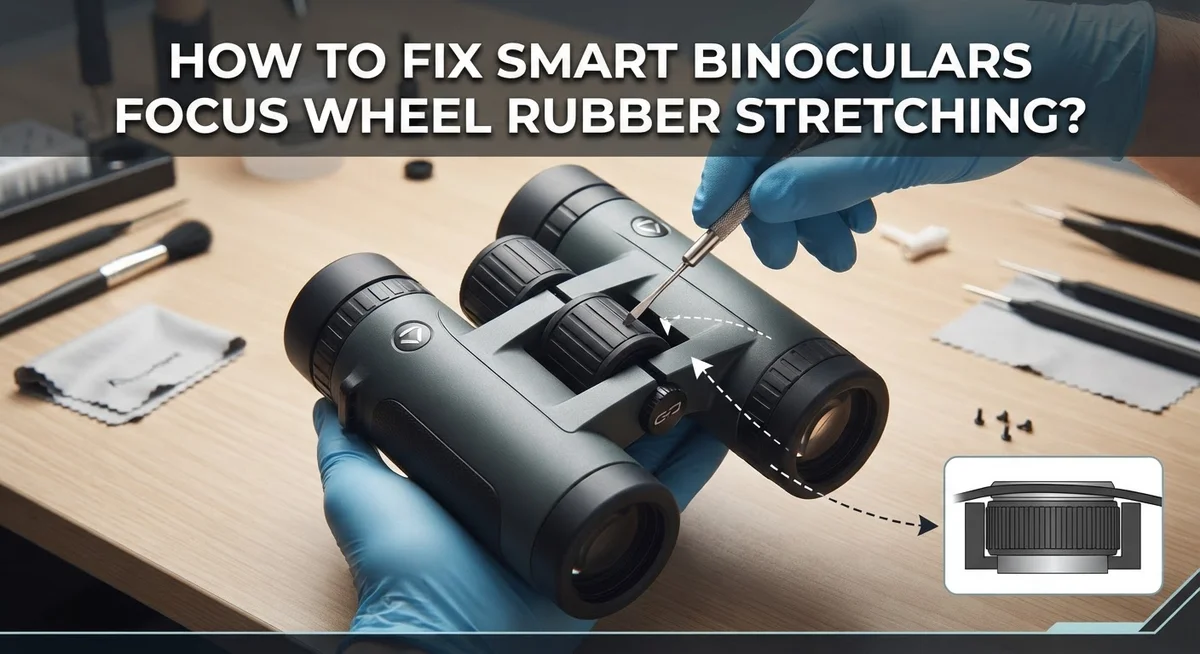
Now comes the key step. Gently pull up the rubber hand grip flap about half an inch. This action exposes the internal screw without damaging anything. You are not forcing anything here. A light, steady pull works best.
Once exposed, look inside carefully. You need to verify that the helical shaft protrudes and moves freely inside the focus wheel. The shaft should slide smoothly without resistance. If it feels stuck or misaligned, this is your problem.
Wind the shaft all the way in one direction. Test your focus wheel now. Rotate it slowly and feel for smooth operation. The wheel should turn without grinding or sticking sensations.
Check the eyecup position while you work. Most binoculars come with the eyecup positioned downward from the factory. Adjust it up or down based on what feels comfortable for your eye.
Before you close everything back up, repeat the shaft movement test one more time. Smooth operation confirms you fixed the issue correctly. If resistance remains, the shaft may need additional adjustment.
Finally, push the rubber grip flap back down gently. Make sure it sits flush against the binoculars. Your focus wheel should now respond to your touch without that stretched rubber feeling.
How to Check and Adjust the Helical Shaft Alignment
The helical shaft is the metal rod inside your focus wheel that controls the lens movement. When rubber stretching occurs, this shaft may sit misaligned or stuck. Checking and adjusting its position takes just a few minutes.
Start by locating the helical shaft through the rubber grip flap opening. The shaft should sit centered inside the focus wheel cavity. Look for any visible tilting or binding that prevents smooth rotation. A misaligned shaft creates resistance and makes focusing feel stiff or unresponsive.
Gently rotate the focus wheel by hand while observing the shaft movement. It must move smoothly without catching or grinding sounds. If you hear clicking or feel grinding, the shaft needs repositioning. Stop immediately and do not force the wheel further.
To adjust alignment, slightly loosen the internal screw that holds the shaft in place. You may need to lift or shift the shaft slightly to center it properly. The goal is to make the shaft sit perpendicular to the focus wheel opening.
After adjustment, rotate the wheel slowly through its full range. Test both directions completely. The movement should feel consistent and smooth from start to finish. No resistance or sudden stops should occur during operation.
Once satisfied with alignment, tighten the internal screw gradually. Check movement again after each tightening increment. Over tightening can create new problems, so proceed with care.
Perform one final complete rotation test. Push the rubber grip flap back down when everything moves freely. Proper helical shaft alignment is the foundation for fixing focus wheel rubber stretching issues. This simple check often solves the problem without needing replacement parts or professional repair services.
Eyecup Positioning and Post-Repair Calibration Tips
After you finish the repair work, your eyecups need proper positioning for comfortable viewing. Eyecups sit at the end of the binoculars where your eyes make contact. Factory settings typically position them in the down position, but this varies based on your face shape and glasses use.
Adjust your eyecups up or down to match your viewing comfort. If you wear eyeglasses, pull the eyecups down to increase the field of view. Without glasses, push them up to get closer to the optics. Test both positions to find what works best for you.
Now for the critical calibration step after your focus wheel repair. Point your binoculars at a distant object at least 30 feet away. Slowly turn the focus wheel through its complete range in both directions. The movement should feel smooth and consistent throughout. Listen for any grinding sounds or notice any resistance points.
Verify that the focus wheel responds evenly at every position from minimum to maximum. If you feel stiffness in certain spots, the helical shaft may still need adjustment. Go back and loosen the internal screw slightly, then retest the rotation.
Once the wheel moves freely everywhere, lock down that internal screw firmly but not forcefully. Gentle and steady pressure works better than aggressive tightening. Test the focus wheel one final time before regular use.
Check your eyecup position again after this final test. Sometimes the repair process shifts them slightly. Make sure they sit securely where you positioned them. Your binoculars are now ready for reliable focus performance.
Common Mistakes to Avoid During Repair
When you repair your smart binoculars focus wheel, several mistakes can actually make the problem worse. Understanding what not to do saves you time and frustration.
The biggest error is forcing the focus wheel when it feels stiff. Many people push harder, thinking pressure will loosen it. This actually damages the internal helical shaft and gears. Instead, stop immediately and disassemble properly using the rubber grip flap method.
Another common mistake is skipping the baseline rotation step. Before any work, you must turn the focus wheel fully in one direction. This establishes where the mechanism should sit. Skipping this leaves you guessing about correct positioning later.
Don’t rush to reassemble after checking the helical shaft. Some people tighten the internal screw too quickly without verifying smooth movement throughout the entire range. Test the shaft movement multiple times before closing everything back up.
Ignoring eyecup position is another frequent error. Your eyecup setting affects how the focus wheel operates. Check eyecup alignment before and after your repair work.
Many people also make the mistake of using excessive force on the internal screw. Tightening too hard can strip the threads or misalign the shaft again. Apply firm pressure only, not maximum strength.
Finally, avoid working in poor lighting conditions. You need to see the helical shaft clearly to verify proper alignment. A well lit workspace prevents misalignment issues that require starting over.
These mistakes are completely preventable. Take your time, follow each step carefully, and verify your work at every stage. Patience during repair prevents repeat problems later.
Troubleshooting Persistent Focus Wheel Problems
When your smart binoculars focus wheel rubber stretches, the mechanism becomes stiff or stops responding. This section helps you understand what causes persistent problems and how to fix them properly.
Stiffness that won’t go away usually means the helical shaft has shifted out of alignment. The rubber stretching pulls the internal components out of position. You need to check if the shaft sits correctly inside the focus wheel housing.
Start by turning the focus wheel slowly through its entire range. Listen for grinding sounds or feel for resistance at specific points. Consistent stiffness everywhere means the shaft needs repositioning. Stiffness in only certain positions suggests partial misalignment.
If the problem persists after your initial repair attempt, the internal screw may need adjustment. Don’t tighten it too much. Excessive force can actually damage the shaft or housing. Tighten gradually while testing the wheel movement between each turn.
Temperature changes can worsen rubber stretching. Cold weather makes rubber contract, while heat causes expansion. If your binoculars sit in direct sunlight or freezing temperatures, the focus wheel may feel different depending on the season. This is normal and temporary.
Sometimes the rubber grip itself becomes permanently deformed. Even after you fix the shaft alignment, the stretched rubber won’t return to its original shape. This doesn’t affect function, but it may feel uncomfortable during use.
If the focus wheel remains stiff after checking the shaft alignment and adjusting the internal screw, the problem may involve worn internal gears. At this point, professional service becomes necessary. Most persistent issues resolve within your first repair attempt when you follow the proper steps carefully and avoid forcing any components.
Model-Specific Considerations for Different Binoculars
Different binocular models have specific design features that affect how you repair focus wheel rubber stretching. Understanding your model helps you avoid damage during the repair process.
Budget binoculars typically use simpler focus mechanisms with less precision engineering. These models often have rubber grips that stretch more easily because manufacturers use lower quality materials. The good news is that repairs on budget models are usually straightforward. You’ll find the internal screw in roughly the same location across most budget brands. The helical shaft on these models moves with less resistance, so gentle handling is important.
Mid range binoculars feature more complex focus wheel assemblies with better quality rubber components. These models often have tighter tolerances, meaning you need to be more careful during disassembly. The internal screw on mid range models may require slightly more force to turn, but never use excessive pressure. The helical shaft on these binoculars typically has more precision engineering, so alignment is critical.
Premium binoculars use advanced materials and engineering in their focus mechanisms. These models rarely experience rubber stretching because manufacturers use superior grade rubber compounds. If a premium model does develop focus issues, the problem usually stems from internal misalignment rather than rubber degradation. Premium binoculars often have additional internal components that require careful handling during repair.
Before you start any repair, identify your binocular model and check the focus wheel design. Some models have the rubber grip positioned differently than others. This affects how you access the internal screw. Research your specific model online to see if other users have documented the repair process. This simple step prevents costly mistakes and ensures your repair goes smoothly.
Final Thoughts
Fixing a stretched focus wheel rubber does not need to be hard. Most binoculars respond well to a simple five minute fix. You just need patience and the right steps.
Start with the basics every time. Turn the focus wheel to your baseline position first. Then check the helical shaft before you touch anything else.
The rubber grip flap holds the key to this repair. Lift it gently and look inside. You will spot the screw and shaft right away.
Smooth movement is what you want to see. The shaft should slide freely without catching. If it sticks, something inside needs attention.
Many binocular owners worry this repair sounds technical. In reality, it is quite simple once you try it. Anyone can learn this skill with a little practice.
Your smart binoculars deserve a chance before you replace them. A stretched rubber piece does not mean the device is broken. It often just means one part shifted slightly.
Take your time during each step. Rushing leads to mistakes that cause more problems. Slow, careful movements work best here.
Check your eyecup position once the shaft moves smoothly. This small detail affects your viewing comfort. Get it right and your binoculars will feel new again.
Testing your repair matters just as much as making it. Point your binoculars at something far away. Turn the focus wheel and watch how it responds.
Smooth, easy turning means you fixed the problem correctly. Stiffness or resistance means you need to check again. Trust the process and give it another try if needed.
This fix saves you money and time. Most people can handle it without special tools. Your binoculars can work like new with just a bit of effort on your part.
Frequently Asked Questions
What causes my focus wheel rubber to stretch in the first place?
Focus wheel rubber stretches due to regular use and age. The rubber material naturally loses elasticity over time. Temperature swings make this worse because cold causes rubber to contract while heat makes it expand. Constant friction from your fingers also breaks down the material gradually. UV light exposure speeds up degradation too. This stretching leads to a stiff focus wheel that resists turning or stops working entirely.
How do I know if my focus wheel rubber is actually the problem?
Test your focus wheel by turning it slowly through its full range. If it feels stiff or sticky, the rubber may be stretched. Try pointing your binoculars at an object and adjusting focus. Smooth, easy turning means the mechanism works fine. Resistance or grinding sensations suggest internal misalignment from the stretched rubber. You might also notice the rubber grip feels loose or bunched up around the wheel itself.
Can I fix this without taking my binoculars apart completely?
Yes, you can fix this in about five minutes without full disassembly. Gently pull up the rubber hand grip flap about half an inch to expose the internal screw. This method keeps your binoculars mostly intact. Check that the helical shaft moves freely and protrudes correctly into the focus wheel. Adjust the internal screw if needed. This approach avoids permanent damage to your binoculars while letting you access the problem area.
What should I do after I fix the focus wheel?
Check your eyecup position once the shaft moves smoothly. Adjust it up or down based on your preference. Test the focus wheel again by turning it through its entire range. Verify that focusing feels smooth and responsive. Point at objects at different distances to confirm the mechanism works properly. If everything operates smoothly, your repair was successful.

Hi, I’m Jessamine Rowell, the founder and voice behind ResizeMake (https://resizemake.com/), a space where I share my love for technology with the world. I write detailed and honest reviews on the latest tech products, gadgets, electronic devices, and trending Amazon items to help readers make smarter buying decisions.