How To Fix Video Tripod Fluid Head Pan Drag Squeaking?
That annoying squeak from your tripod’s fluid head can ruin a perfectly smooth shot. You pan the camera, and instead of silence, you get a high pitched noise that sneaks into your audio. It’s a common problem, but it doesn’t mean your equipment is broken.
Most squeaking issues come from simple causes. Dust builds up inside the pan mechanism over time. Cold weather can stiffen internal parts. Sometimes the head just needs proper lubrication.
Other times, the problem is about setup, not wear and tear. A loose connection between the head and tripod base creates unwanted friction. Poor camera balance adds extra strain on the mechanism too.
In a Nutshell
- Check for dust first. Most squeaks come from dust trapped inside the pan mechanism. A simple cleaning often solves the problem.
- Inspect the connection points. Make sure your head is tightly screwed onto the tripod base. Loose set screws create friction and noise.
- Balance your camera weight properly. An unevenly mounted camera puts extra strain on the pan drag system. This strain leads to squeaking over time.
- Lubricate the moving parts. Use synthetic oil or PTFE tape on the pan mechanism. This keeps everything gliding smoothly instead of grinding.
- Test the drag knob and tilt lock. These controls should move without resistance. Sticky knobs often signal deeper mechanical issues.
- Try the rubber band trick. Wrap a thick rubber band around your pan handle. Pull the band, not the handle, for buttery smooth panning motion.
Why Fluid Heads Squeak: Common Causes Explained
Squeaking from your fluid head pan drag happens for several reasons. Understanding these causes helps you fix the problem quickly and prevent it from returning.
Dust accumulation is the most common culprit. Tiny particles settle inside the pan mechanism during regular use. These particles create friction between moving parts, which produces that squeaky sound. Outdoor shoots expose your tripod to more dust, so frequent users notice this issue faster.
Cold temperatures also trigger squeaking. When you move your tripod from a warm indoor space to a cold outdoor location, the lubricating oils inside thicken. This change makes the pan mechanism stiff and noisy. The fluid inside the head becomes less effective at reducing friction between components.
Friction in the pan mechanism develops when moving parts rub together without proper lubrication. The pan head contains several internal components that work together for smooth motion. When these parts lack adequate lubrication, they create resistance and squeaking sounds.
Weight imbalance contributes to pan drag problems too. If your camera sits unevenly on the head, one side bears more pressure than the other. This uneven weight distribution forces the pan mechanism to work harder, causing squeaks and stuttering during pans.
Loose connections between your fluid head and tripod base create additional noise. When the head isn’t tightly secured to the base, vibration occurs during panning. This vibration amplifies squeaking sounds and makes smooth motion difficult.
Worn drag components represent a less common but serious cause. Over time, the internal drag system can deteriorate from heavy use. The drag knob and tilt lock mechanisms may lose their smooth operation, producing squeaks during adjustments.
Tools and Materials You’ll Need Before You Start
Before you start fixing that squeaky pan head, gather the right tools and materials. Having everything ready makes the job faster and prevents frustration mid repair.
You’ll need a set of pliers to disassemble the plastic nut at the top of your pan head. Standard slip joint pliers work well for this task. A wrench set helps if your tripod uses metal fasteners instead of plastic nuts.
Bring a clean cloth or soft brush to remove dust and debris from inside the pan mechanism. A small brush with gentle bristles reaches tight spaces without scratching delicate parts.
Synthetic oil is essential for lubrication. This type of oil works better than standard oils because it doesn’t get sticky in cold conditions. PTFE tape also helps reduce friction in the pan mechanism. Both materials are safe for camera equipment and won’t damage plastic or metal components.
You’ll want a rubber band, preferably a thick one. This simple tool helps absorb shock during panning motions and reduces strain on the drag system.
Have a small container or tray nearby to hold loose screws and parts while you work. This prevents losing tiny fasteners that are hard to replace.
A towel or drop cloth protects your work surface and catches any oil drips. This keeps your workspace clean during the repair process.
Finally, grab your camera manual or tripod instructions. These documents show you exactly where set screws are located and how tight connections should be. Having all materials ready before starting means you won’t interrupt your repair to search for missing tools.
Step-by-Step: Disassembling the Pan Head Mechanism
Start by gathering your tools and materials before you begin. You’ll need a set of pliers, a clean cloth, synthetic oil, and a small container for loose parts. Having everything ready prevents frustration during the disassembly process.
Position your tripod on a stable work surface. Make sure the tripod stands firmly so it won’t tip over while you work. This keeps you safe and protects your equipment from accidental damage.
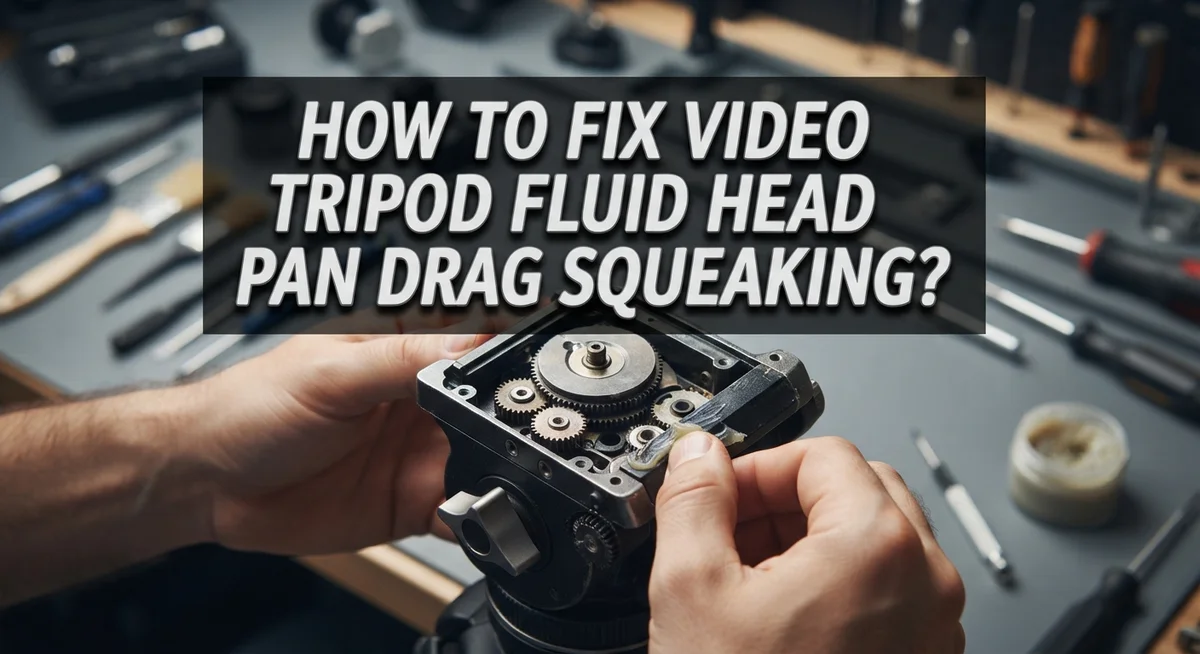
Locate the plastic nut at the very top of your pan head. This nut connects the pan mechanism to the handle. Use your pliers to gently turn the nut counterclockwise. Apply steady pressure without forcing it, as excessive force can crack the plastic housing.
Once the nut loosens, continue turning it by hand until it comes free completely. Set it aside in your small container so you don’t lose it.
Carefully lift the pan handle assembly away from the head. You now have access to the internal pan mechanism where squeaking originates. Look inside for dust, debris, or dried lubricant buildup.
Use your clean cloth or soft brush to gently remove any visible dust and particles. Work slowly and carefully to avoid damaging the delicate internal components. Pay special attention to the drag control areas where friction occurs.
Inspect the pan mechanism for any visible damage or wear. Look for cracks, bent components, or areas where parts rub together incorrectly.
Check all connection points between the pan head and tripod base. Loose screws here often contribute to squeaking sounds. Tighten any loose set screws you find using the appropriate tools.
Document your disassembly progress mentally or with photos. This helps you reassemble everything correctly later without confusion or missing components.
Lubrication Techniques for Smooth, Silent Panning
Proper lubrication stops squeaking and keeps your pan head moving smoothly. The key is using the right products and applying them correctly to all moving parts.
Synthetic oils work best for fluid heads because they stay effective across temperature changes. These oils resist thickening in cold weather and breaking down in heat. Apply synthetic oil directly to the pan mechanism’s internal surfaces where metal parts meet. Use a small brush or applicator to reach tight spaces. A few drops go a long way, so avoid over-saturating the mechanism.
PTFE tape provides additional protection for the pan mechanism. This tape reduces friction between moving components and prevents squeaking from returning quickly. Wrap PTFE tape around connection points and threaded areas before reassembling your head.
After applying lubricant, rotate the pan head slowly through its full range of motion. This spreads the oil evenly across all internal surfaces. Wipe away excess oil with a clean cloth to prevent dust from sticking to wet surfaces.
Check your drag knob setting while testing the pan motion. The drag knob controls resistance during panning. Adjust it so panning feels smooth but controlled. Too tight creates squeaking. Too loose loses smooth motion control.
Tighten all set screws connecting your fluid head to the tripod base. Loose connections transmit vibration and noise through the mechanism. Use your pliers to secure these screws firmly without over tightening.
Repeat lubrication every few months if you use your tripod regularly. Environmental dust and normal wear break down lubricant over time. Regular maintenance prevents squeaking from returning and keeps your panning motion silent and professional.
Securing the Head to the Tripod Base Correctly
A loose connection between your fluid head and tripod base causes most squeaking problems. The head must sit firmly against the base with zero movement or wiggle. Start by checking all set screws that connect these two parts together.
Locate the set screws around the base of your pan head where it meets the tripod. These screws hold everything in place. Use your pliers or the appropriate wrench to tighten each one slowly and evenly. Do not over tighten, as this can strip the threads or crack plastic components.
Proper tightening means firm pressure without forcing. Turn each screw a quarter turn at a time. Work your way around the connection point so pressure distributes evenly. This prevents one side from pulling tighter than the other.
After tightening, gently try to wiggle the head side to side. It should not move at all. Any movement means you need to tighten further. Test the pan motion while the head is secured to make sure tightening did not restrict movement.
Weight distribution also affects how tight your connection needs to be. A heavy camera creates more stress on the connection point. Make sure your camera sits centered on the pan head, not off to one side. An off balance camera pulls at the connection and causes squeaking.
Check the connection every few months if you use your tripod regularly. Vibration from transportation and use can loosen screws over time. A quick tightening session takes just minutes and prevents bigger problems later.
If squeaking continues after securing the head properly, the issue likely sits inside the pan mechanism itself. Move forward with lubrication and internal inspection steps.
Balancing Your Camera to Reduce Drag and Noise
Proper camera balance is essential for reducing drag and noise in your fluid head. When your camera sits unbalanced on the pan head, it creates uneven pressure on the internal mechanisms. This pressure causes friction that leads to squeaking and stiff panning motion.
Start by checking your camera’s position on the mounting plate. Your camera should sit centered and level on the head. An off center camera shifts weight to one side, forcing the pan mechanism to work harder than it should.
Adjust the camera forward or backward until the pan head feels balanced. A well balanced camera should stay in place when you release the handle without any locking mechanisms engaged. If it tilts or slides, move it slightly until it holds steady.
The weight of your entire setup matters too. Heavier cameras need more careful positioning than lighter ones. Add accessories like microphones or monitors gradually, and rebalance after each addition.
Once balanced, test the pan motion smoothly. The handle should move with minimal resistance. If you still feel drag or hear squeaking after balancing, the issue likely comes from loose connections or internal friction rather than weight distribution.
Check your drag knob setting as well. If the drag is too tight, it creates unnecessary friction and noise. Loosen it slightly to see if that reduces the squeaking sound.
Rebalance your camera whenever you change your lens or add new equipment. Regular rebalancing prevents drag problems from developing. A properly balanced setup means smoother video footage and a quieter, more reliable tripod system overall.
Avoiding Common Mistakes During the Fix
Fixing your fluid head pan drag squeaking requires avoiding several common pitfalls. Many people make mistakes that either cause the problem to return or create new issues altogether.
Don’t over tighten your set screws. Excessive force can strip the threads or crack the plastic components. Your goal is firm pressure, not maximum strength. Turn each screw slowly and stop when you feel resistance.
Avoid using the wrong lubricant type. Regular oils attract dust and become sticky in cold weather. They also break down quickly, requiring constant reapplication. Stick with synthetic options designed for camera equipment.
Never force the pan handle when testing motion. Rough movements can damage the internal mechanism further. Instead, use gentle, smooth motions to identify where squeaking originates. If you notice resistance, stop and investigate rather than pushing through it.
Don’t skip the rubber band trick. This simple method absorbs shock and reduces friction significantly. Pull the rubber band instead of the handle directly. This technique prevents sudden jerky movements that cause noise.
Avoid ignoring weight imbalance issues. Many people assume squeaking comes only from mechanical problems. However, an unbalanced camera creates uneven pressure on the pan mechanism. This pressure causes friction and noise even after lubrication.
Don’t neglect regular maintenance schedules. Waiting until squeaking returns wastes time and effort. Lubricate every few months if you use your tripod regularly. This prevents problems before they start.
Avoid disassembling more than necessary. Opening the pan head exposes internal parts to dust and moisture. Only remove the plastic nut at the top when absolutely needed. Keep other components sealed unless you have specific reasons to access them.
Ongoing Maintenance Tips to Prevent Future Squeaking
Keeping your fluid head in good condition prevents squeaking from returning. The key is staying consistent with your maintenance routine.
Lubricate every few months if you use your tripod regularly. Mark your calendar so you don’t forget. Use the same synthetic oil or appropriate lubricant you applied during the initial fix. A small amount goes a long way. Apply lubricant around the pan mechanism where the squeaking started.
Check your connection points regularly. Gently wiggle your pan head side to side to feel for any movement. Loose connections develop over time from regular use and transport. Tighten your set screws firmly but carefully during each inspection.
Store your tripod properly between uses. Keep it in a dry location away from dust and moisture. Dust particles accumulate inside the pan mechanism and cause squeaking to return. A protective case or bag helps keep your equipment clean.
Inspect your drag knob and tilt lock before each shoot. Test these controls to ensure smooth operation. If you notice any resistance or noise, address it immediately before the problem worsens.
Balance your camera setup whenever you change equipment. Adding a new lens or microphone shifts your weight distribution. This change affects how your pan head functions. Rebalance to keep drag even and smooth.
Use your rubber band technique consistently. This simple habit protects your pan mechanism from sudden jerks and impacts. Pull the rubber band gently rather than grabbing the handle directly.
Keep a maintenance log of when you last lubricated your head and tightened connections. This record helps you stay on schedule. Regular upkeep takes only minutes but saves you from costly repairs later. Your fluid head will perform smoothly for years with proper attention.
Final Thoughts
Fixing a squeaky pan drag does not need to feel hard. Most problems come from dust, dried lubricant, or loose connections. Once you know where to look, the fix takes only a few minutes.
Start with the simple checks first. Make sure your head sits tightly on the tripod base. Confirm your camera weight sits evenly on the plate.
If the squeak continues, the problem likely lives inside the pan mechanism. Open it carefully, clean out old grime, and add fresh lubricant. This small step often solves the issue completely.
Patience matters during this process. Rushing through disassembly can crack parts or strip screws. Slow, steady movements protect your equipment and save money.
Remember that squeaking rarely appears from one single cause. It usually builds from a mix of dust, imbalance, and skipped maintenance. Treating all three areas gives you the best results.
Your tripod works hard during every shoot. Giving it a little care in return keeps your footage smooth and your audio clean. Nobody wants a squeaky pan ruining a great shot.
Think of maintenance as part of your gear routine, not an extra chore. A quick check before each shoot takes seconds but saves hours of frustration later.
Every fluid head behaves a little differently. Some need lubrication more often, while others stay smooth for months. Pay attention to how yours performs and adjust your habits.
With regular care, your tripod head will stay quiet and reliable. You will get smoother pans, cleaner audio, and more confidence behind the camera. A little effort now brings steady results for every future shoot.
Frequently Asked Questions
Why does my fluid head pan drag squeak during smooth pans?
Squeaking happens when dust builds up inside the pan mechanism. Cold temperatures also make the fluid thicker, causing friction. Weight imbalance on your camera adds extra stress to the internal parts. A loose connection between your head and tripod base can create movement that causes noise.
How do I know if my camera is balanced correctly on the head?
Your camera should stay in place when you release the pan handle. If it drifts forward or backward, rebalance it. Loosen the pan drag knob slightly and adjust your camera position until it holds steady. This simple fix often reduces squeaking immediately.
What lubricant should I use on my fluid head?
Synthetic oils work best for fluid heads. PTFE tape also helps reduce friction in the pan mechanism. Avoid thick greases or general purpose oils. They attract dust and make squeaking worse over time.
Should I disassemble my entire fluid head to fix squeaking?
No. Start with simple checks first. Tighten the set screws connecting your head to the tripod base. Then apply lubricant to the pan mechanism. Only disassemble the plastic nut at the top if squeaking continues after these steps. Unnecessary disassembly risks damaging internal parts.
Can a rubber band really help with pan drag squeaking?
Yes. Wrap a thick rubber band around your pan handle. Pull the rubber band instead of the handle directly. This reduces sudden friction and creates smoother motion. The rubber band acts as a shock absorber for your pan movements.

Hi, I’m Jessamine Rowell, the founder and voice behind ResizeMake (https://resizemake.com/), a space where I share my love for technology with the world. I write detailed and honest reviews on the latest tech products, gadgets, electronic devices, and trending Amazon items to help readers make smarter buying decisions.