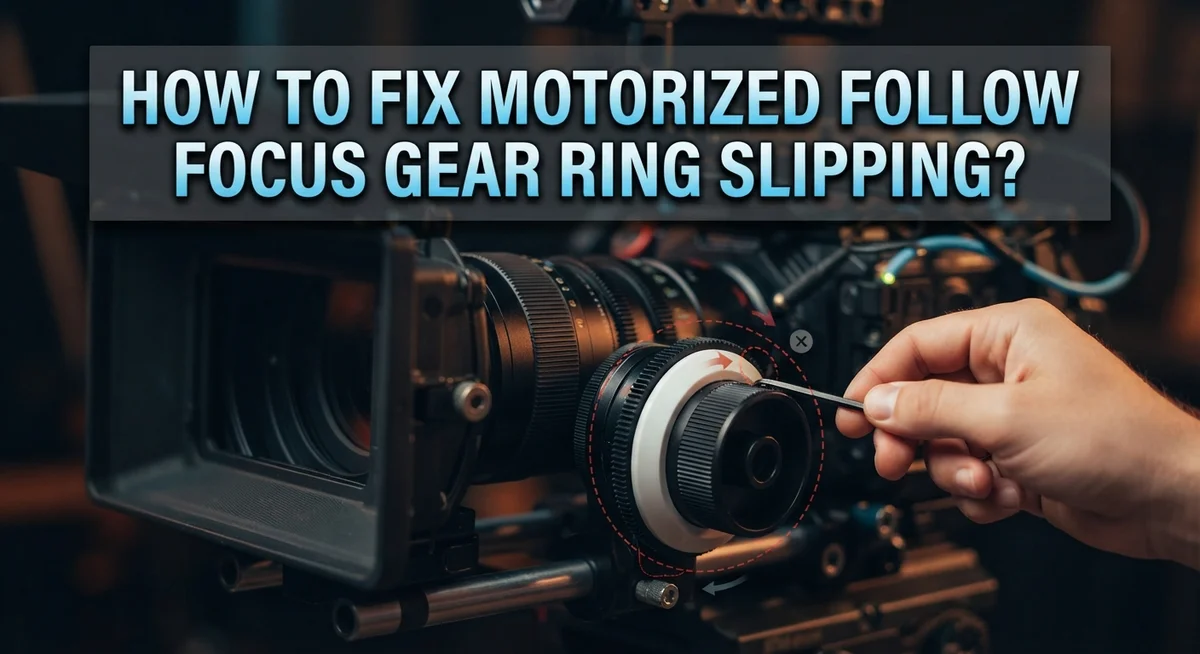
How To Fix Motorized Follow Focus Gear Ring Slipping?
Your motorized follow focus system should feel smooth and reliable. But then the gear ring starts slipping mid shot. Suddenly your focus pulls feel shaky and unpredictable.
This problem frustrates many filmmakers and camera operators. You set up your rig with care. Then the gear slips at the worst possible moment.
The good news? This issue has clear causes and practical fixes. Gear slipping usually comes from loose motor engagement, rod instability, or missing shims on your lens barrel.
In a Nutshell
- Check your rod support first. A loose rod causes most slipping problems. Tighten it before touching the gear ring.
- Secure your camera body. If the camera moves on the rod support, your whole setup loses stability. This makes slipping worse.
- Press the motor gear firmly. Weak engagement between the motor and gear ring often causes slipping. A firm press fixes this instantly.
- Test your lens barrel resistance. Push one side gently. Stiff resistance means you need proper shimming before anything else.
- Try simple fixes like tape wedges or rubber cement. These solutions tighten gear engagement quickly. They work well for minor slipping issues.
- Consider advanced fixes for stubborn cases. Re-shimming your focus mechanism or reducing gear diameter can solve persistent problems. Heat-soaking rubber rings also helps.
- Avoid common mistakes. Don’t ignore rod stability. Don’t over-tighten without shimming first.
Why Follow Focus Gear Rings Slip
Your gear ring slips because something in the system loses grip. Let’s break down the main reasons this happens.
Loose gear engagement with the motor is the most common culprit. The motor gear and your focus gear ring need to connect firmly. When they don’t press together tightly enough, the motor spins but the gear ring stays still. This feels like your motor runs while nothing happens.
Rod slipping in the support causes problems too. Your follow focus rod sits in a support bracket. If this bracket isn’t tight, the entire rod shifts when you apply pressure. A moving rod means your gear ring moves away from the motor gear, breaking contact.
Improper shimming on lens barrels creates resistance that transfers back to your gear system. When your focus gear doesn’t shim correctly against the lens barrel, the lens barrel itself fights back. This backward pressure makes the gear slip inside the motor housing.
Motor torque bending your rods happens with powerful motors. Strong motors push hard against weak rods. The rod bends slightly under pressure, and your gear ring loses alignment with the motor gear.
Lens barrel stiffness also matters. A stiff lens barrel resists focus movement. This resistance travels backward through your entire system, forcing your gear ring to slip rather than turn.
The key point? Slipping rarely comes from just one problem. Your rod support, camera body security, motor engagement, and lens barrel all work together. When any one fails, your gear ring slips. Start by checking each part systematically. This approach saves time and prevents you from fixing the wrong problem first.
Essential Setup Checks Before You Start
Before you attempt any fixes, spend time checking your entire setup. This prevents wasted effort on the wrong solution.
Start with your rod support. Grab the rod firmly and try to wiggle it side to side. Any movement here means your gear ring will slip, no matter what else you adjust. Tighten the rod support clamps completely. Push down on the locking levers or turn the adjustment screws until the rod feels rock solid. The rod should not move at all when you apply gentle pressure.
Next, verify your camera body sits securely on the rod support. Lift the camera slightly and release it. It should stay in place without shifting. A loose camera body transfers movement directly to your focus motor, causing the gear to lose contact with the ring. Check every clamp and tightening point on the rod support itself.
Now test your lens barrel. Push gently on one side of the barrel near the focus ring. The barrel should barely move. If it flexes significantly, your lens barrel resistance is too high. This stiffness transfers back through your entire system and causes slipping.
Press the motor gear firmly into engagement with the follow focus ring. Listen for a solid click or feel for firm contact. Weak engagement is a major culprit. The motor gear teeth must fully mesh with the ring teeth for proper grip.
Finally, spin the focus ring manually by hand. It should rotate smoothly without catching. Rough spots indicate internal resistance that your motor must fight against.
Complete these four checks before moving forward. They take just minutes and reveal the actual source of your slipping problem.
Step-by-Step: Quick Fixes for Gear Ring Slipping
Start by checking if your rod sits tight in its support. A loose rod causes most slipping problems. Gently try to wiggle the rod side to side. If it moves, tighten the support clamp firmly.
Next, make sure your camera body doesn’t shift on the rod support. Push the camera gently in different directions. It should not move at all. A moving camera body destabilizes your entire follow focus system.
Now engage your motor gear with the focus ring. Press the motor gear firmly into contact. Many people don’t apply enough pressure during engagement. The gear needs solid contact to grip properly.
Test your lens barrel resistance by pushing gently on one side. The barrel should feel stiff and controlled. If it moves too easily, your lens has resistance issues that transfer back to the gear system.
Apply a tape wedge to the inside surface of your gear ring. Use thin tape and build it up gradually. Add one layer, test for slipping, then add another if needed. This progressive approach prevents over tightening.
For a temporary fix, apply a small hot glue dab on the gear contact point. Let it cool completely. This adds friction without permanent changes.
Rubber cement works better for longer lasting results. Apply a thin layer to the gear engagement area. It stays flexible and maintains grip over time.
If slipping continues, add a 15mm bridge to stabilize your rod. This extra support prevents rod bending from motor torque.
Test your setup after each fix. Spin the focus ring smoothly by hand first. Then engage the motor and check for slipping during actual use.
Advanced Solutions for Persistent Slipping
When basic fixes don’t work, you need to dig deeper into your system. Re-shimming your focus mechanism is one of the most effective advanced solutions. This means adjusting the spacers between your gear components to create perfect alignment. Remove your gear ring carefully and inspect how the shimming sits. Add or remove thin shims until your motor engages smoothly without resistance.
Reducing gear diameter by about 2mm can eliminate slipping that won’t respond to other methods. A smaller gear creates tighter contact with the follow focus ring. This requires precision work, so take your time and test after each adjustment.
Heat treatment of rubber rings helps them grip better. Soak your rubber contact rings in hot water for several minutes. This increases their flexibility and improves their grip on the gear surface. Let them cool before reinstalling them into your system.
Proper motor torque calibration matters more than most people realize. Your motor shouldn’t apply excessive force, which bends rods and causes slipping. Check if your motor has adjustable torque settings. Reduce the torque gradually while testing to find the sweet spot where your motor grips without strain.
One critical mistake people make is ignoring rod stability before addressing the gear itself. Your rod must sit perfectly tight in its support first. A loose rod causes cascading problems that no gear adjustment will fix.
Combine these advanced solutions together for best results. Start with re-shimming, then test with adjusted motor torque. Add heat treatment to your rubber rings if needed. This layered approach solves even the most stubborn slipping problems.
Rod Support and Motor Torque Adjustments
Your rod support and motor torque work together as a team. When either one fails, your gear ring will slip no matter what you do to the gear itself.
Start by inspecting your rod support bracket. The rod must sit completely tight inside the support clamp. Loosen the clamp bolt, slide your rod in, then tighten firmly. Test by trying to wiggle the rod side to side. Any movement means your foundation is unstable.
Next, check that your camera body doesn’t shift on the rod support. Press your camera firmly against the support surface. Tighten all mounting bolts evenly. A loose camera body transfers vibration directly to your gear system, causing slipping.
Motor torque adjustment is critical here. Too much torque bends your rod and creates binding. Too little torque causes slipping. Find the middle ground by engaging your motor gear and turning the focus ring by hand. You should feel firm resistance, not strain.
If your rod bends under motor pressure, you have a torque problem. Reduce your motor power setting slightly. Test again. The gear should grip without forcing.
Add a 15mm bridge support to your rod if problems persist. This extra support point prevents rod flex during operation. Mount it between your follow focus unit and your camera body.
Heat soak your rubber grip rings in hot water for 30 seconds. This increases their flexibility and grip strength temporarily. Let them cool before use.
The key principle? Fix your foundation first. A stable rod and proper motor torque eliminate 80% of gear slipping problems. Only move to gear modifications if these structural fixes fail.
Common Mistakes to Avoid When Diagnosing Slipping
Many people rush to fix the gear ring without checking the real problem first. This mistake wastes time and makes frustration worse.
Skipping rod stability checks is the biggest error. Your rod must sit tight in its support before you touch anything else. Loose rods shift under motor pressure, which makes the gear appear to slip when the actual problem is movement. Press your rod firmly into the support bracket. Listen for a solid click. If you hear nothing, the rod isn’t seated properly.
Another common mistake is ignoring lens barrel resistance. Push gently on one side of your lens barrel. If it moves too easily, your shimming is wrong. Many people blame the motor gear when the real issue is a loose barrel. Check this before applying tape or glue.
Over tightening without shimming causes serious damage. People turn adjustment bolts too hard thinking more pressure equals better grip. This bends your rods and breaks rubber rings. Shimming should happen first. Tightening comes after.
Don’t assume the motor gear itself is faulty. Test your camera body position on the rod support. A shifting camera body creates the illusion of gear slipping. Make sure your camera stays locked in place during focus tests.
Neglecting motor torque calibration is another frequent problem. A motor pushing too hard bends support rods and breaks the system. Check your motor settings before adding bridges or reducing gear diameter.
Finally, avoid jumping straight to advanced solutions. Work through basic checks first. A stable rod, proper shimming, and correct motor torque fix most slipping issues. Save complex repairs for genuine mechanical problems that won’t respond to foundation fixes.
Troubleshooting Recurring or Unusual Slipping Patterns
When your follow focus system shows odd slipping patterns, you need to identify what’s actually happening. Recurring slipping at specific focus distances tells you something different than random slipping throughout the range.
Start by documenting when the slipping occurs. Does it happen at the start of focus movement? Does it occur only when pulling focus quickly? Does it slip more on certain lens types? Write down these details. This information points you toward the real culprit.
Check your lens barrel resistance next. Push gently on one side of the barrel while the motor sits idle. If the barrel moves easily, your lens support needs attention. A stiff barrel means your shimming may be too tight, causing the motor to work harder and slip under load.
Test your motor engagement pressure. Press the gear firmly into the focus gear before starting. Sometimes incomplete engagement creates the illusion of slipping. The gear should sit flush without gaps.
Examine your rod support alignment carefully. A rod that tilts slightly will cause uneven pressure on the gear. This creates slipping that appears random but actually follows a pattern. Look for visible gaps between the rod and support bracket.
Pay attention to temperature changes too. Rubber grip rings contract in cold environments and expand when warm. This affects how tightly they hold the gear. If you notice slipping only during certain times of day, temperature is your answer.
Finally, inspect your motor connections. Loose electrical connections reduce torque output, making the motor unable to maintain proper grip. Reseat all connectors firmly and check for corrosion on contact points.
Maintenance Tips to Prevent Future Slipping
Prevention keeps your motorized follow focus working smoothly for years. The best maintenance starts with regular inspection of your gear ring engagement. Check that your motor gear sits firmly against the focus gear without gaps. A loose connection here causes most slipping problems before they become serious.
Clean your gear surfaces regularly. Dust and debris accumulate on the teeth and reduce grip strength. Use a soft brush to remove particles from the gear ring and motor gear. Avoid harsh chemicals that might damage rubber components or corrode metal parts.
Inspect your lens barrel resistance every few weeks. Push gently on one side of the barrel to feel how stiff it moves. If resistance changes suddenly, something inside may be shifting. This early warning helps you catch problems before they cause slipping.
Tighten all connection points monthly. Your rod support bracket, camera body mount, and motor housing need regular checks. Small vibrations from use gradually loosen fasteners over time. A quick tightening session prevents cascading failures.
Store your follow focus in a dry, temperature stable environment. Extreme heat and cold make rubber grip rings expand and contract. These changes reduce contact pressure between gears. Room temperature storage extends component life significantly.
Test your motor engagement pressure occasionally without filming. Press the motor gear to the focus gear gently and note the resistance. Consistent pressure indicates healthy alignment. Any sudden changes signal that shimming or adjustment may be needed soon.
Replace worn rubber grip rings before they fail completely. Deteriorated rubber loses its gripping ability and causes slipping even with perfect alignment. Fresh rings restore reliable operation and cost far less than emergency repairs during shoots.
Final Thoughts
Gear ring slipping feels frustrating, but you now have real solutions. Most problems start with a shaky foundation, not a bad gear.
Start simple. Check your rod support first. Then look at motor pressure and lens barrel resistance.
These three checks solve most slipping issues. You don’t need fancy tools or expensive parts.
Quick fixes work well for many situations. A tape wedge or dab of rubber cement can save your shoot today. Save advanced solutions like re-shimming for stubborn cases.
Remember this simple rule: fix stability before you touch the gear. A wobbly rod will make any gear ring slip, no matter how tight you make it.
Temperature and dust also play a big role here. Cold weather stiffens rubber rings. Dust builds up on gear teeth over time.
Regular maintenance prevents most future problems. Clean your gears monthly. Test your setup before important shoots.
Your motorized follow focus system depends on several parts working together. The rod, motor, gear ring, and lens barrel all need attention.
Skipping steps often creates bigger headaches later. Take five extra minutes to check everything properly. This habit saves you time on set.
Some slipping patterns need patience to diagnose correctly. Document what happens and when it happens. This information helps you find the real cause faster.
Most cinematographers face this issue at some point. It’s a common problem with a common solution. Don’t feel discouraged if it happens to you.
Practice these checks regularly and you’ll catch problems early. Your gear ring will grip better and your footage will look smoother.
With the right approach, you can keep your follow focus system running reliably for every shoot. Stability first, then adjustments. That’s the winning formula.
Frequently Asked Questions
Why does my gear ring slip even after I tighten everything?
Slipping happens when parts aren’t working together properly. Your rod might be loose in its support bracket. Your camera body mount might shift during operation. These stability issues make the gear slip no matter how tight you make it. Check your rod support first by pushing on it gently. If it moves, tighten that bracket before adjusting the gear.
The lens barrel itself can also resist the motor’s movement. Push gently on one side of your lens barrel. If it feels stiff or resists movement, that’s your real problem. The motor works harder against this resistance and the gear slips as a result.
What’s the best temporary fix for gear slipping?
A tape wedge works quickly for immediate use. Place thin tape on the inside surface of your gear ring where it contacts the motor. Add layers gradually until the grip improves. This method lets you adjust the pressure without permanent changes.
Hot glue dabbed on the gear teeth offers another temporary solution. Apply small dots strategically on the contact points. This holds better than tape but remains removable if needed.
Can I fix slipping without taking apart my follow focus?
Yes, many fixes work externally. Tighten your rod support bracket first. Press your motor gear firmly into engagement with the focus gear. Sometimes the motor simply isn’t pressed in far enough.
Check your lens barrel stiffness next. A stiff barrel creates resistance that causes slipping. Heat your rubber grip rings in hot water for a few minutes to make them more flexible. This reduces barrel resistance significantly.
Should I add shimming to my lens barrel?
Shimming helps when your lens barrel diameter doesn’t match your follow focus design. Improper fit creates gaps that cause slipping. Adding shims fills these gaps and improves grip.
However, shimming requires careful measurement. Too much shimming creates other problems. Start by checking if your barrel is actually the issue first.

Hi, I’m Jessamine Rowell, the founder and voice behind ResizeMake (https://resizemake.com/), a space where I share my love for technology with the world. I write detailed and honest reviews on the latest tech products, gadgets, electronic devices, and trending Amazon items to help readers make smarter buying decisions.